Susmita Ghosh in Junnar
Just about 120 kilometres from Pune, Junnar is one of those rare places where every hill has a story. An exclusive Tour titled Maharashtra Heritage Odyssey – Journey through History, Nature and Spirit takes you to Junnar, a destination that feels like a beautiful secret waiting to be rediscovered.
It is notably known as the birthplace of Chhatrapati Shivaji Maharaj, one of India’s greatest warrior kings, born at the majestic Shivneri Fort. But that’s just the beginning. For over 2000 years, Junnar was a buzzing trading hub along the ancient route connecting the Konkan ports to the Deccan Plateau. Traders, monks, warriors, they all passed through here, leaving behind a legacy carved in stone.
If you have ever wanted to walk through a place where history doesn’t sit quietly in museums but breathes through hills, caves and temples, then this invitation from Maharashtra Tourism might just be your perfect excuse to pack a bag.
The journey begins with a comfortable drive from Pune to Junnar. The city chaos slowly fades into rolling hills, open fields and crisp countryside air. On arrival, guests are welcomed at Bajind Agro Tourism with a traditional Maharashtra lunch — the kind that tastes of home, earth and heritage. A visit to the agro tourism project gives a refreshing glimpse into rural life and sustainable tourism.
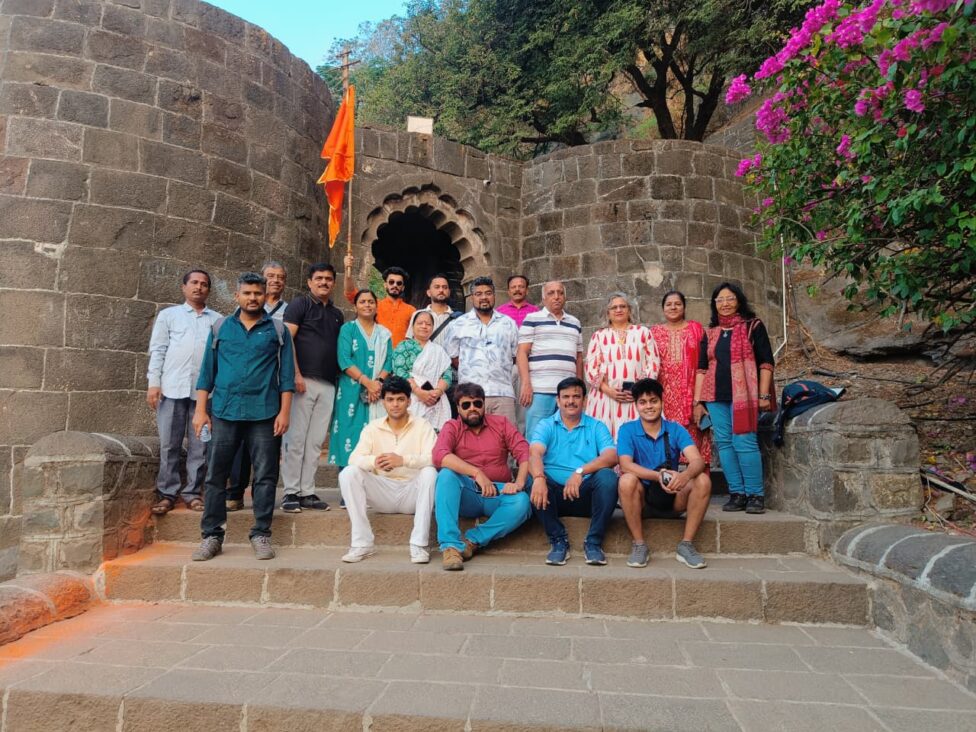
The second day is where history truly comes alive. After breakfast, it’s time to climb up Shivneri Fort. With a professional guide sharing stories along the way, the fort transforms from a structure of stone into a living chapter of courage and vision. Standing at the top, looking at the vast landscape below, you understand why this land shaped a legend.
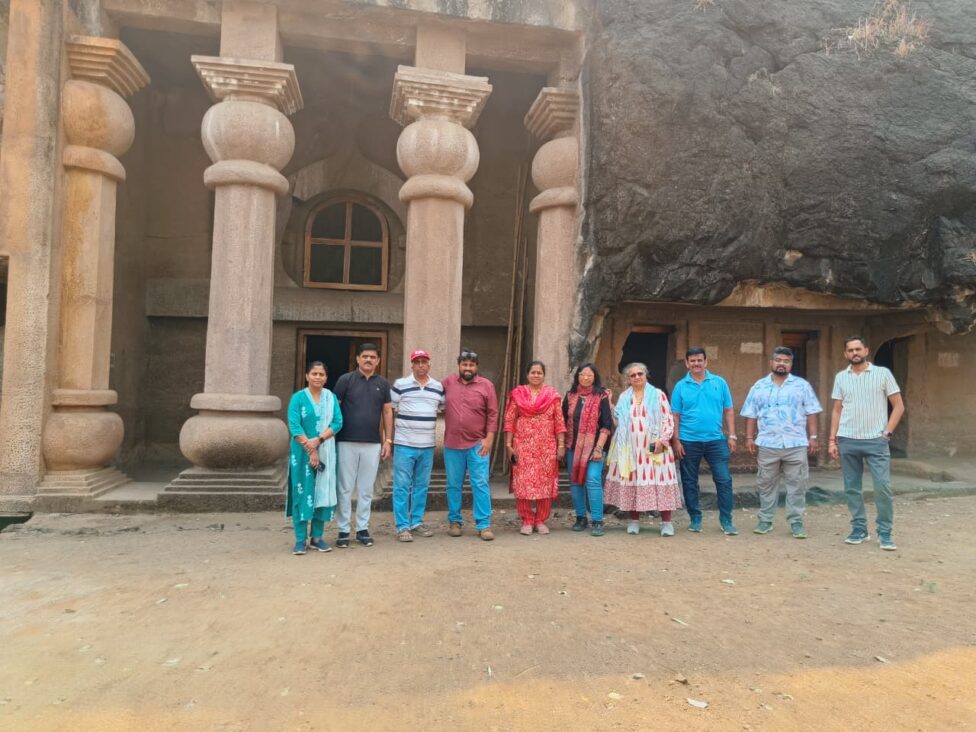
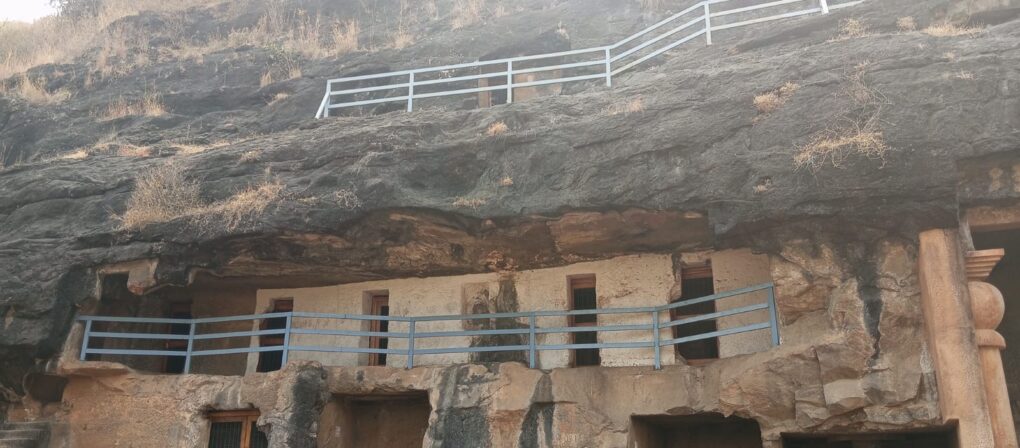
Junnar is also home to the extraordinary Junnar Caves, one of the largest groups of ancient rock-cut caves in India. Dating back to the Buddhist era, these caves are serene, mysterious and deeply impressive. Walking through them, you can almost imagine monks meditating here centuries ago while trade caravans passed through the valleys below.
The day blends heritage with celebration, as participants get to experience the local festival atmosphere. Interactive sessions with artisans, wildlife photographers and historians add another layer to the journey. It’s not just sightseeing; it’s storytelling, learning and connecting.
In the evening, the group visits Lenyadri Shri Girijatmaj Cave Temple, one of the Ashtavinayak temples dedicated to Lord Ganesha. Later, a stakeholder meeting and Junnar presentation offer insights into how this heritage destination is shaping its tourism future.
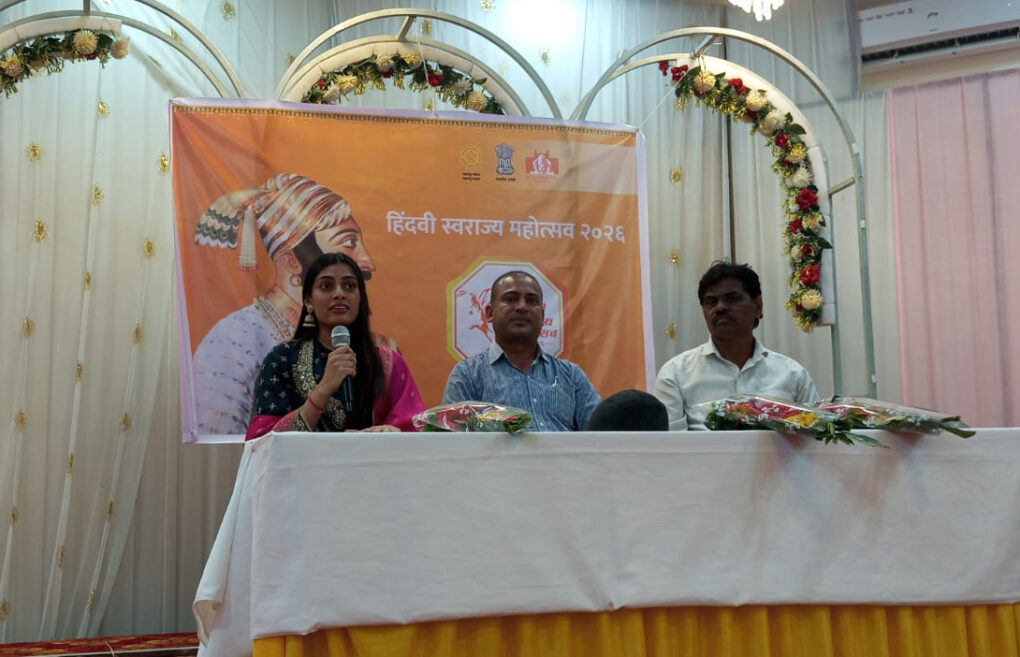
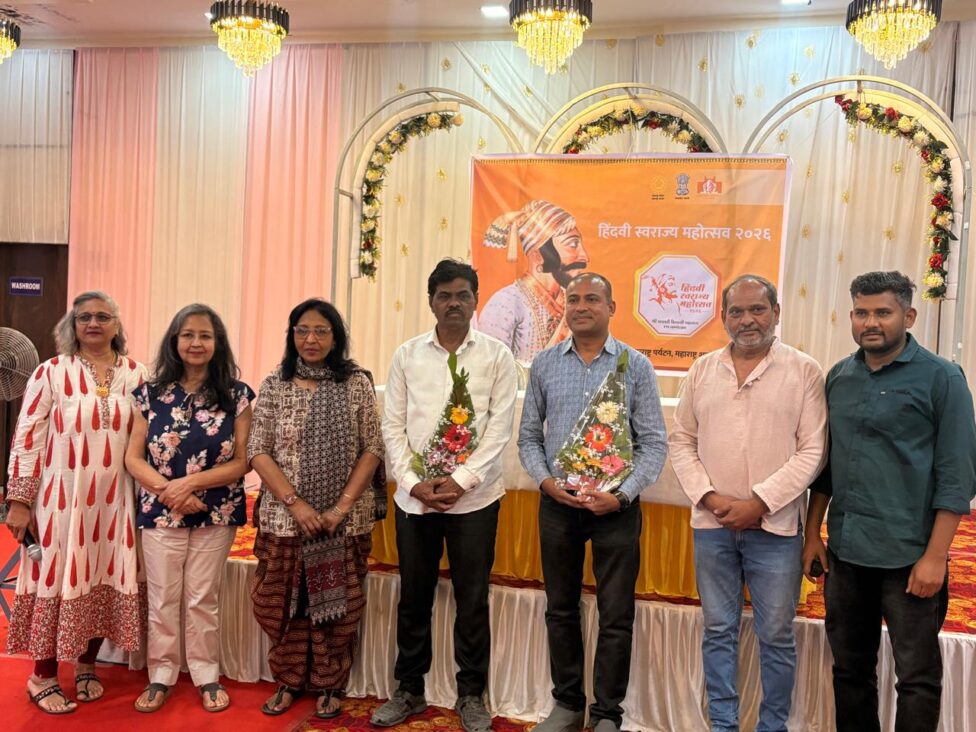
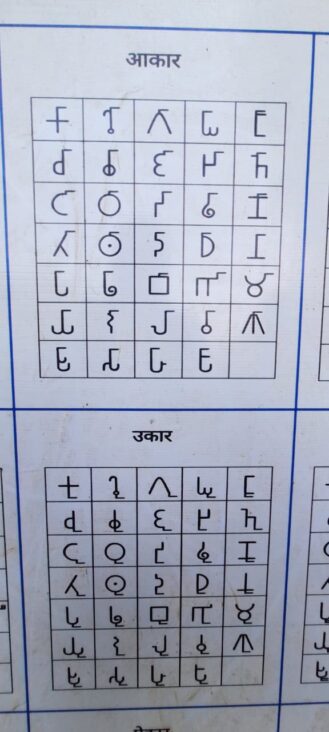
The journey continues with a visit to Kukadeshwar Temple, a 12th-century Hemadpanthi-style Shiva temple that stands quietly amid nature. Its intricate stonework reflects the craftsmanship of another era.
From there, it’s on to Naneghat, an ancient mountain pass that once functioned as a toll booth for traders. The dramatic cliffs and sweeping views here are breath-taking.
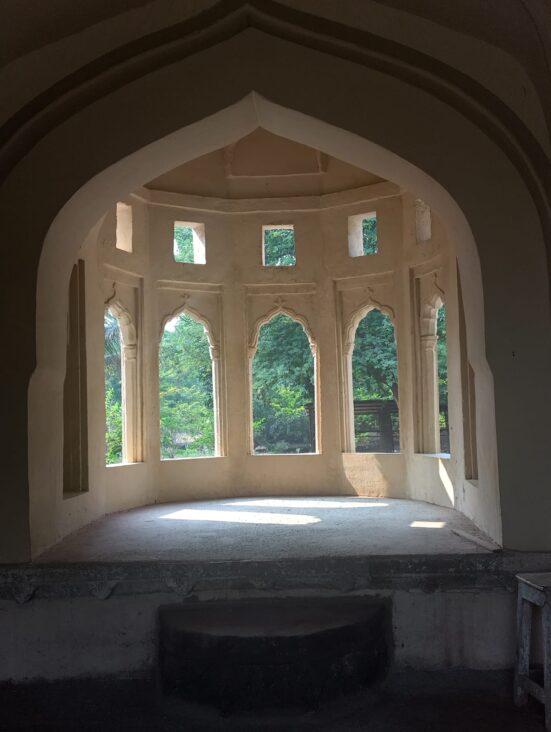
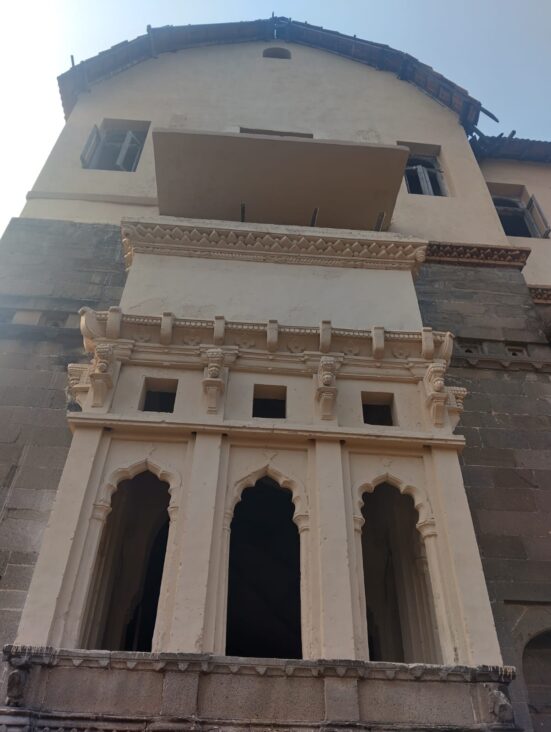
A much lesser-known but fascinating site, Haveli Mahal (often locally called Havsi Mahal). Located near Junnar in Maharashtra, this structure is believed to be an old fortified mansion or watch point, reflecting the region’s layered history linked to the Deccan Sultanates and later the Marathas. Unlike grand palaces like Jaipur’s Hawa Mahal, Haveli Mahal is more rustic and understated, but that’s exactly what gives it character.
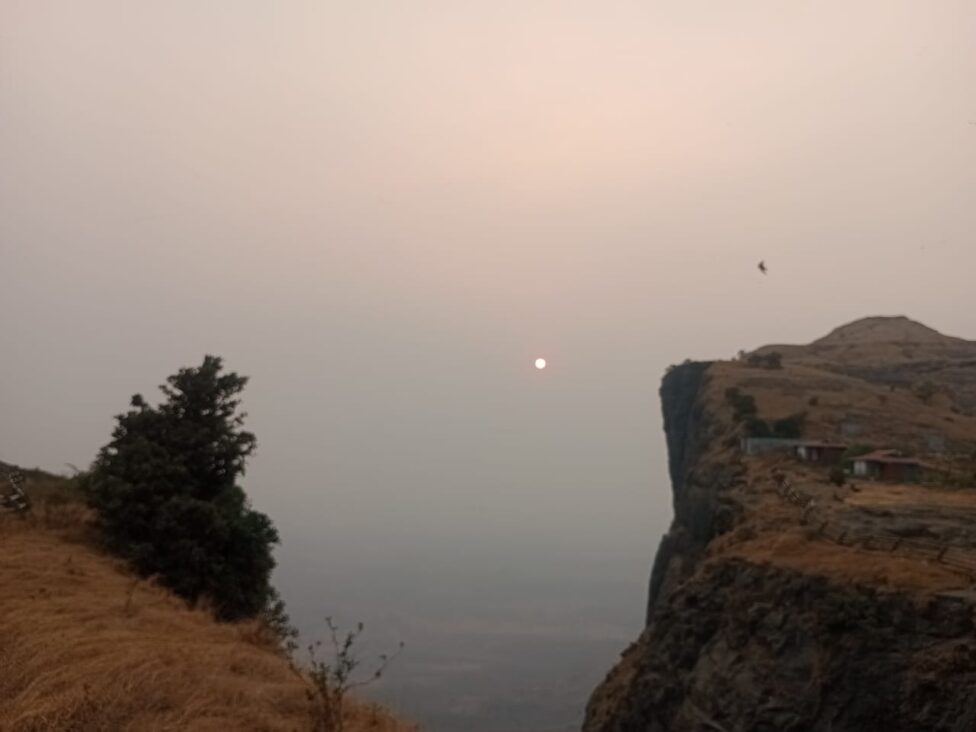
The architecture shows a blend of defensive design and residential utility—thick stone walls, arched openings, and elevated positioning that suggests it may have served both as a residence and a strategic lookout. Haveli Mahal fits into this landscape as a quieter, lesser-explored relic that still holds stories of a bygone era.
What stands out today is how well-maintained the structure remains despite its age. While it has undergone necessary conservation over the years, much of its original character has been preserved.
As the group heads back to Pune, what remains is not just a checklist of places visited, but a feeling. Junnar is not loud or flashy. It doesn’t compete for attention. It quietly unfolds through forts, caves, temples, mountain passes and warm local hospitality.
This is an invitation to discover a destination that blends history, nature and spirit so effortlessly that you don’t just visit Junnar, you experience it. Once you do, you will want to return for sure.