

By Spl Correspondent
Global airfares have surged to record highs as intensifying conflict in the Middle East forces the closure of critical flight corridors. With airlines avoiding Iranian and Israeli airspace, the resulting reroutes and capacity cuts are driving one-way economy tickets between Europe and Asia, a dramatic surge in international ticket prices.
As airlines avoid the volatile Gulf airspace, available seat capacity has dropped while operational costs have spiked, leading to pricing levels rarely seen in commercial aviation.
These extraordinary price points are the direct result of a supply-demand imbalance, with fewer viable flight paths and several suspended services, airlines can command premium rates for the limited seats remaining.
The geography of the Middle East makes it a vital “aviation super-highway” for global connectivity. This importance was already magnified because many carriers were already avoiding Russian airspace due to the Ukraine conflict.
Rerouting adds significant flight time, sometimes extending journeys by two to four hours. These detours create a cascade of expenses like fuel consumption, technical stops and operational creep.
Industry experts note that even a one-hour detour on a wide-body long-haul flight can add tens of thousands of dollars in operating costs per trip costs that are being passed directly to the consumer.
Indian carriers alone are estimated to be losing between INR 150–200 crore ($18–24 million) per day due to West Asian airspace closures. These losses are driven by the “double whammy” of expensive detours and the rising price of crude oil, which fluctuates wildly during Middle Eastern instability.
Because Aviation Turbine Fuel (ATF) accounts for nearly 40% of an airline’s operating expenses, any increase in flight duration or fuel price has an immediate, negative impact on the bottom line.
The scale of the disruption is vast. Over 3,400 flights have been cancelled globally due to recent closures. Major hubs like Dubai, Doha, and Abu Dhabi, which collectively handle nearly 90,000 transit passengers daily have faced significant bottlenecks.
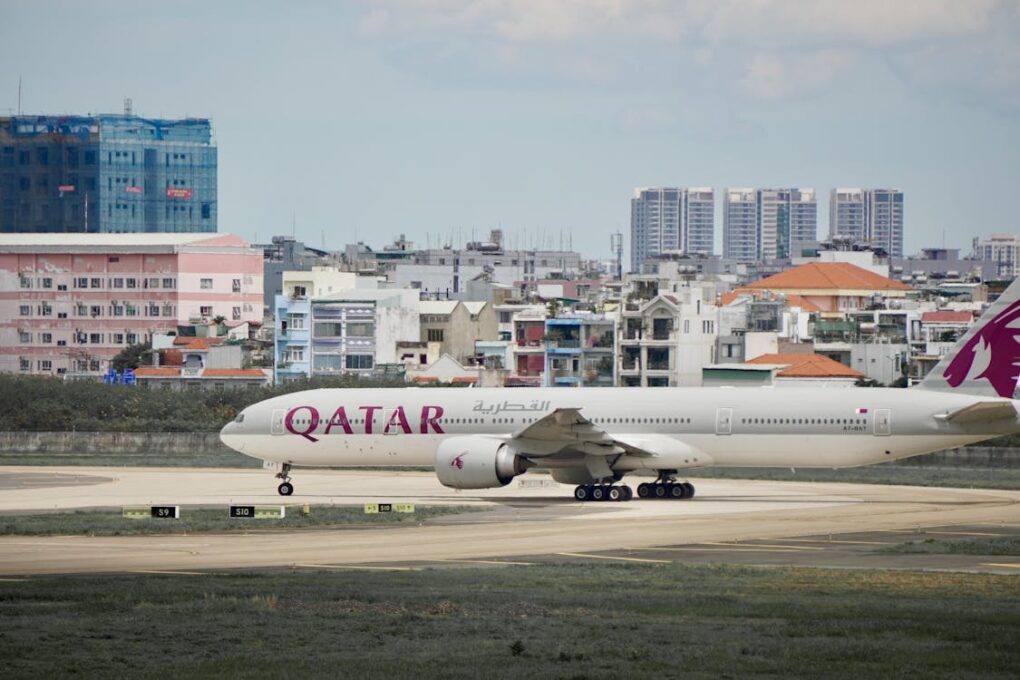
Airlines including Emirates, Etihad, and Qatar Airways have had to suspend or reduce operations alternatingly. When major carriers pull back capacity, the remaining flights become even more expensive.
The current crisis underscores how vulnerable global connectivity is to geopolitical shifts. The closure of the Iranian corridor, in particular, has removed a primary artery of the global aviation network.
For businesses and leisure travellers alike, the era of affordable long-haul travel is currently on pause. As the industry redesigns its flight paths almost overnight, the global traveller is the one left footing the bill for a more fractured and expensive sky.