

By Susmita Ghosh in Siliguri
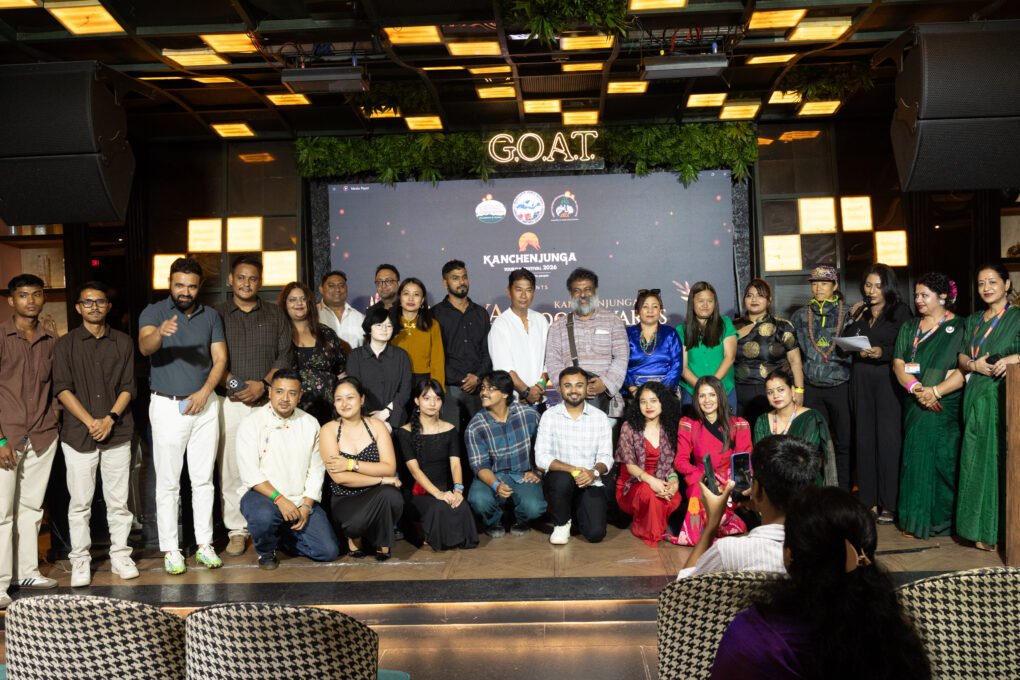
Some events are planned on paper. Some are created with a vision. And some come alive because people simply decide to make it.
For the Travel Network Meet (TNM) Global Forum, the first physical TNM Connect in Siliguri became one such moment. But the real story of those three days was much bigger than a meeting.
It was the story of KTF 2026, the 24th Kanchenjunga Tourism Festival, where culture, tourism, heritage, music, food, sport, community and human connections came together across the Eastern Himalayas.
Held from September 25 to 27 aligned with World Tourism Day, KTF 2026 travelled across Siliguri, Darjeeling, Sonada, Rongtong and Sukna. The festival brought together tourism stakeholders, travel professionals, communities, artists, performers, cyclists, sports personalities, students, homestay owners, rural entrepreneurs, media and visitors from North Bengal, Sikkim, Nepal, Bhutan and Bangladesh, with Malaysia participating as an observer country.
And behind this larger celebration stood the Association for Conservation & Tourism (ACT), an organisation whose journey for more than three decades has been built around a simple but powerful belief: “Tourism & Conservation without local people is impossible.”
A Meeting that became a Journey
For TNM Global Forum, Siliguri was not just another destination on the calendar. It was the beginning of something new.
The first physical TNM Connect Siliguri 2026 brought TNM members together in person, pouring from Meghalaya, Andaman, West Bengal, Sikkim, and representatives of Australia, Vietnam, and many from Siliguri itself. It created an opportunity to meet beyond WhatsApp groups and Google Meets and to experience the destination, its people and its tourism potential together.
And what better backdrop could there have been than KTF? KTF 2026 turned the Eastern Himalayas into a living tourism classroom.
For TNM members, it was an opportunity not merely to attend an event, but to experience tourism differently.
KTF 2026 theme was simple: Culture Connects People.
But KTF 2026 did much more than putting those words on a banner. It made the theme visible. It made it audible. It made it experiential.
It brought together traditions from different communities and regions, creating a space where culture became the common language.
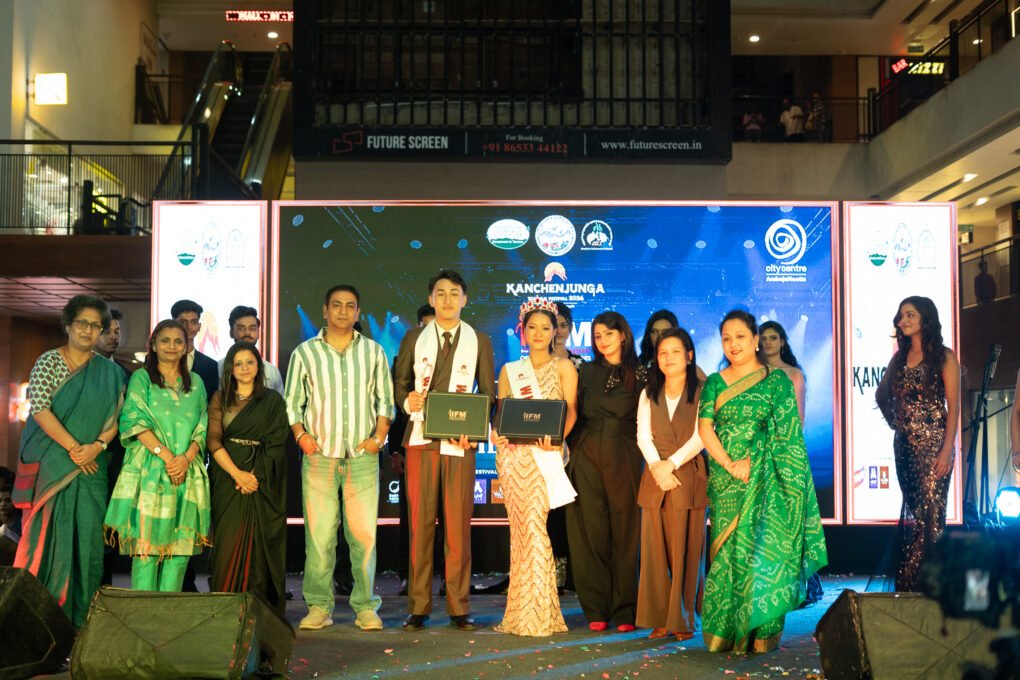
At City Centre, Siliguri, rural entrepreneurs, artisans and tourism stakeholders showcased their products, food, handicrafts and destinations. Thirty-two rural stalls reportedly displayed nearly 2,906 products from Bhutan, Nepal, the Darjeeling hills, Sikkim and North Bengal.
The opening itself was spectacular.
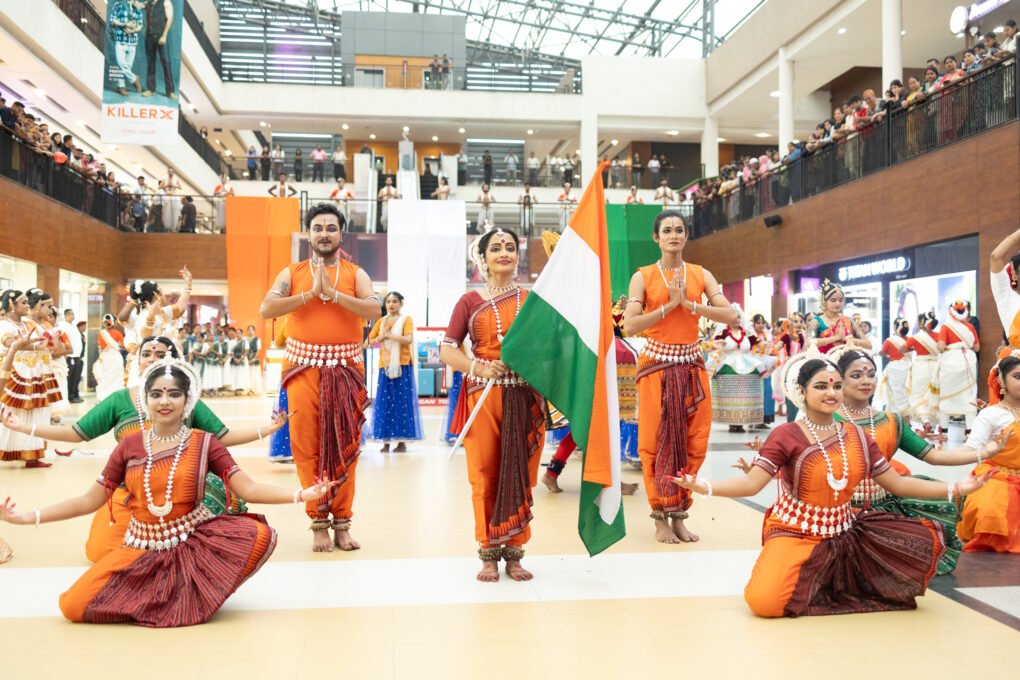
Nearly 150 dancers representing eight classical dance forms came together for a presentation of Vande Mataram, marking its 150th anniversary. Performances from Manipur added another dimension to the cultural canvas.
It was not simply a cultural programme.
It was a statement:
Different cultures can share one stage without losing their individual identity.
From sightseeing to slow tourism
KTF 2026 also encouraged visitors to look beyond the conventional tourist experience.
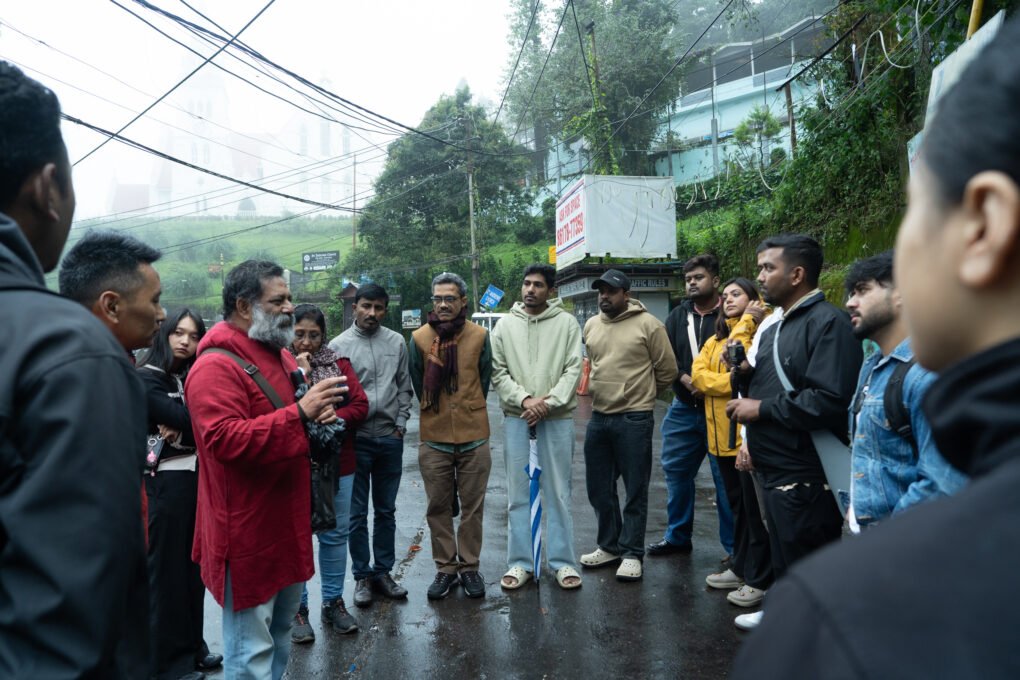
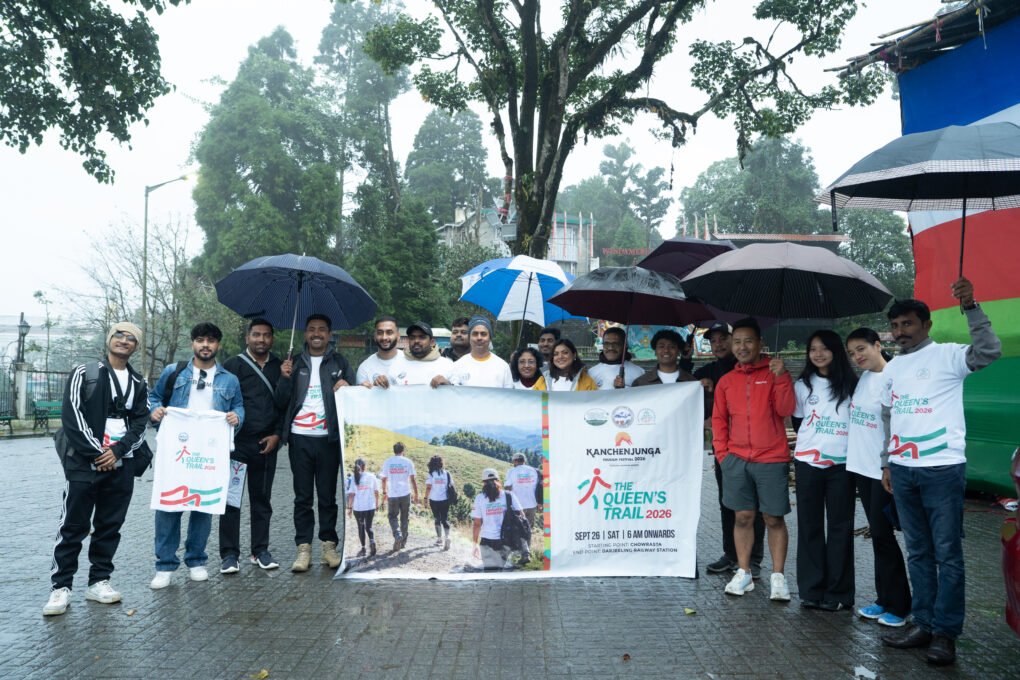
The Queen’s Trail heritage walk in Darjeeling introduced the idea of discovering the town through its colonial-era architecture and living heritage, while promoting slow tourism, zero-waste practices and local homestays.
For those who have visited Darjeeling many times, the experience offered a reminder that a destination can reveal itself differently when you slow down and listen to its stories.
And perhaps this is where KTF connected naturally with ACT’s larger philosophy.
ACT’s work has long focused on rural tourism, homestays, heritage, conservation, local livelihoods and market linkages. Its work in the Darjeeling Hills traces the roots of rural tourism and homestays to Tinchuley in the mid-1990s, later becoming part of a wider Kanchenjunga Regional Tourism Circuit connecting North Bengal, Sikkim, Eastern Nepal and Bhutan.
KTF 2026 therefore felt less like an isolated festival and more like another chapter in a much longer journey.
Sonada: Where conversation moved deeper
At Sonada, the conversation moved from experiencing tourism to thinking about its future.
The GTA Chautare brought together experts, students and homestay leaders from India, Nepal and Bhutan for discussions around climate-resilient and community-led tourism, along with conversations on adventure, mountain preservation, AI, innovation and wellness.
This was particularly relevant for today’s travel industry. Tourism is changing rapidly. Technology is changing the way people discover and book destinations. AI is changing the way information is created and consumed.
But the fundamental question remains:
Who benefits when tourism grows?
ACT’s journey has consistently placed communities at the centre of that question. Its work has included responsible tourism, rural tourism, conservation, local enterprise, cultural preservation and initiatives aimed at creating opportunities for local people.
KTF 2026 brought that philosophy into a contemporary setting.
When tourism became human

Perhaps the most touching moments of KTF 2026 were those where tourism moved beyond business and sightseeing.
On World Tourism Day, 20 elderly women from Siliguri were given an opportunity to experience the UNESCO World Heritage Darjeeling Himalayan Railway, travelling alongside travel agents, writers and influencers.
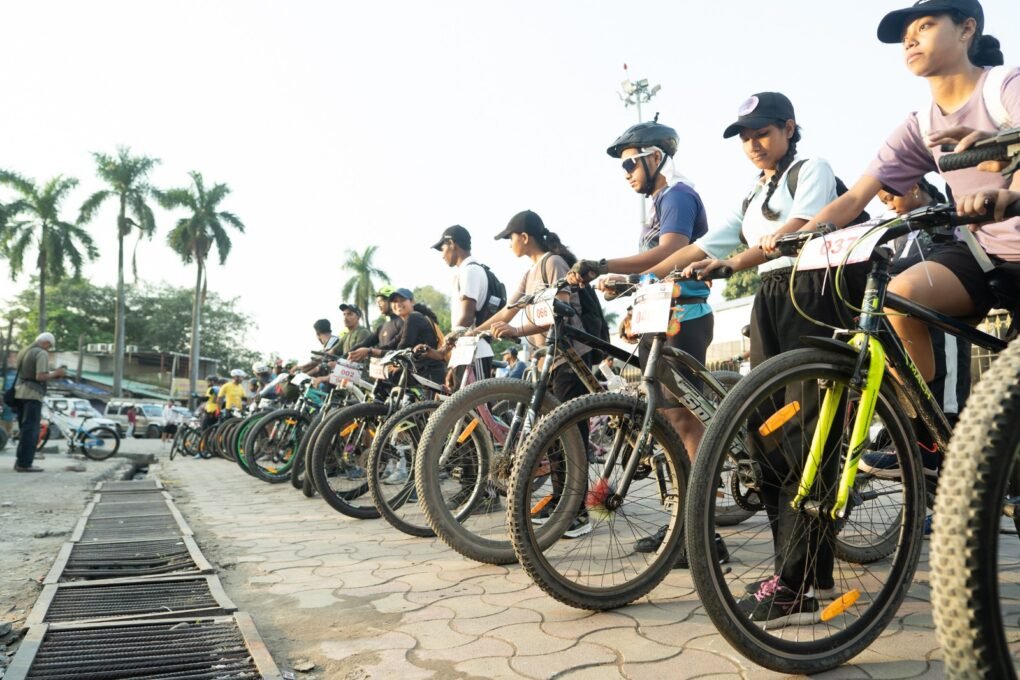
Seventy-three cyclists also participated in Pedal with DHR, travelling from Siliguri Junction towards Rongtong along the historic railway route.
And then came Play for Nepal.
The exhibition football match between East Bengal Legends and GTA XI, led by Padma Shri Bhaichung Bhutia, transformed sport into an expression of solidarity. The initiative raised funds for rehabilitation efforts for communities in Nepal affected by recent disasters.
This was perhaps the strongest expression of the festival’s theme.
Culture connects people.
Sport connects people.
Tourism connects people.
Humanity connects people.
ACT: The story behind the story
KTF 2026 cannot be understood without looking at ACT.
The Association for Conservation & Tourism began its journey in 1991, evolving into a sustained movement connecting communities, destinations, culture, conservation and responsible tourism across Eastern and North-eastern India and neighbouring regions.
Over the years, ACT’s initiatives have extended across rural tourism, homestays, conservation, festivals, cultural initiatives, cross-border cooperation, local enterprise and community development.
Its festival portfolio itself reflects this approach — from the Himalayan Orange Tourism Festival and Darjeeling Ecotourism and Cultural Festival to Buxa Tourism and Cultural Carnival, North Bengal Birding Festival, Sunday Haat and other community-oriented initiatives.
The organisation’s work has also crossed geographical boundaries, with initiatives involving Nepal, Bhutan, Bangladesh and adjoining regions.
So, when KTF 2026 brought together people from across borders, communities and generations, it was not an isolated experiment.
It was an extension of a philosophy that has been evolving for decades.
THREE DAYS. Many stories. One connection.
Three days of KTF 2026 brought together culture, music, food, tourism, heritage, sport and stories from across the Eastern Himalayas.
From the energy of Siliguri to the heritage of Darjeeling. From the conversations of Sonada to the cycling trail of the DHR.
From rural entrepreneurs and artisans to tourism professionals.
From Nepal and Bhutan to Sikkim, North Bengal and beyond.
From the stage to the streets.
From business connections to human connections.
KTF 2026 made the Eastern Himalayas feel less like a collection of destinations and more like one connected cultural landscape.
A festival of this scale does not belong to one organisation or one individual.
It belongs to everyone who contributed to it.
To the Association for Conservation & Tourism (ACT) and the Gorkhaland Territorial Administration (GTA) for bringing the festival together.
To the partners, collaborators, artists, performers, speakers, volunteers, communities and media friends.
To everyone who travelled from Nepal, Bhutan, Bangladesh and across India.
To every tourism professional who participated.
To every artisan who displayed a product.
To every performer who took the stage.
To every cyclist who joined the journey.
To every person who simply showed up.
Bhaichung Bhutia, Padma Shri Awardee, former Captain of the Indian National Football Team and Goodwill Ambassador, KTF 2026, expresses, “KTF has always had the potential to be much more than a tourism festival. This year, the idea of ‘Culture Connects People’ came alive through music, heritage, tourism and sport. ‘Play for Nepal’ showed how football can create solidarity and bring people together across borders.”
Raj Basu, Convenor, Association for Conservation & Tourism (ACT), informs, “For 24 years, KTF has been about connecting people across the Kanchenjunga region. This edition took that idea further, starting from grassroots communities and rural entrepreneurs to neighbouring countries and the wider Northeast. As we look towards the 25th edition, our focus will remain on building meaningful connections through responsible tourism, culture and community participation.”
The festival’s message found its strongest expression in the way culture, tourism and community action came together: from a heritage walk in Darjeeling to a cycling journey along the DHR, from rural products and indigenous performances to expert conversations and football for Nepal.
KTF 2026 turned “Culture Connects People” from a festival theme into a lived experience across the Eastern Himalayas.
And perhaps that is the real lesson from KTF 2026.
Tourism is not ultimately about places on a map.
It is about the people who give those places meaning.